
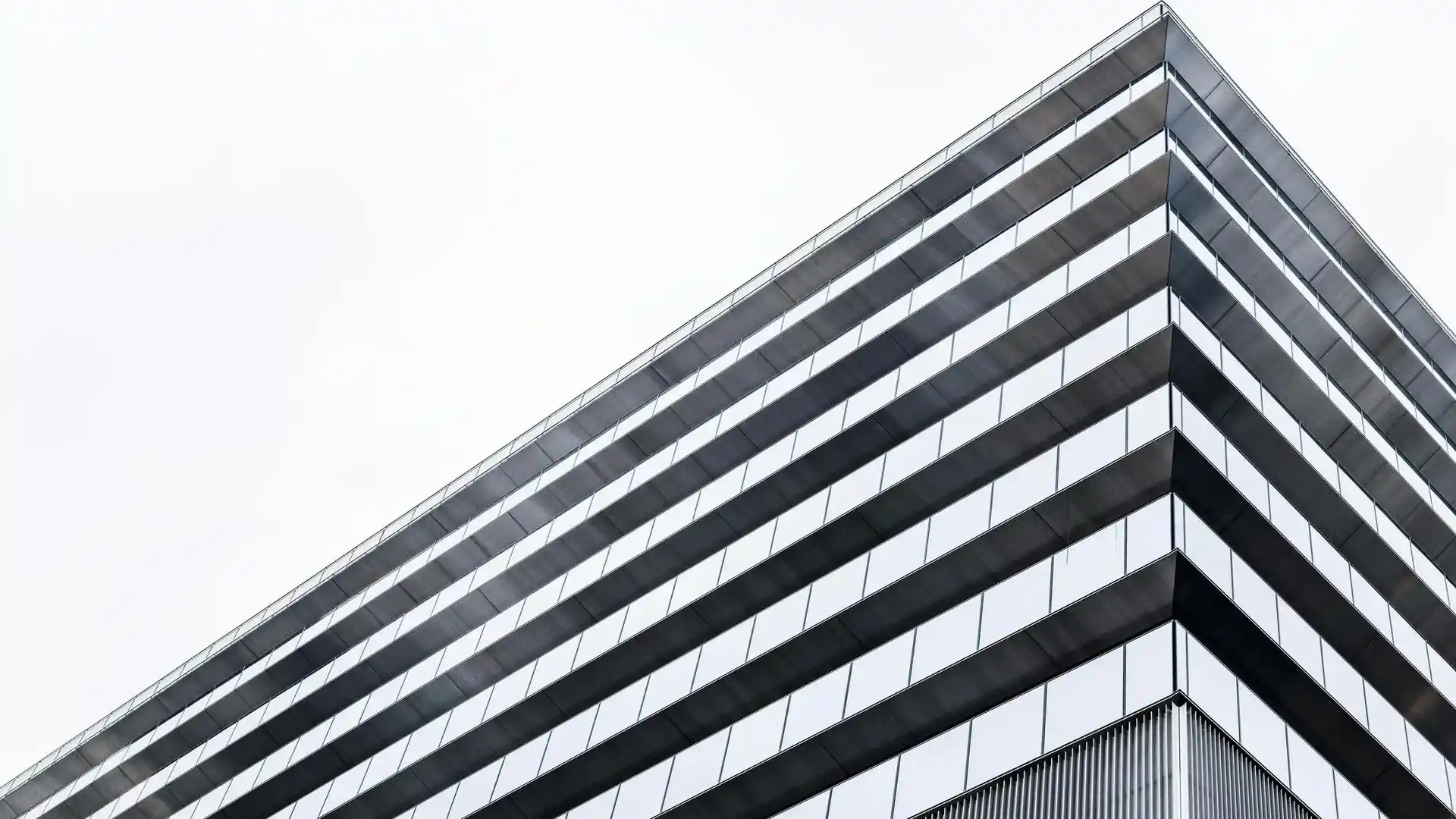
The Evolution of Industrial Architecture in MIDC: Designing Smarter, Sustainable Factories
In the MIDC areas, the architectural design in the industrial sector has evolved significantly from functional factory sheds. With increased development in the industrial sector, the cost of energy, as well as the demand for sustainable spaces, has heightened the need for smart, efficient, and future-ready business environments. This has placed the investment in industrial architecture on the radar as more than a necessity.
Companies like Youth Arch Architects are playing an important part in this transformation with the clever use of planning, sustainable features, and new-age designs catering to the MIDC setting.
Understanding the Changing Face of MIDC Industrial Architecture
Traditionally, MIDC factories were designed with limited consideration for workflow efficiency, environmental impact, or workforce comfort. The emphasis was primarily on maximizing built-up area while meeting basic regulatory requirements. Today, industrial architecture in MIDC focuses on:
- Optimized space planning for manufacturing efficiency
- Smart zoning between production, storage, and administration
- Design flexibility for future expansion and automation
The Rise of Smart Factory Design
Smart factories are becoming the new standard in MIDC industrial development. These facilities are designed to support modern manufacturing processes, including automation, digital monitoring, and scalable layouts. Key features include:
- Streamlined circulation for materials and manpower
- Structural planning that accommodates heavy machinery and upgrades
- Integrated utility planning to minimise downtime
Sustainability as a Driving Force in Industrial Design
Sustainable architecture is no longer optional; it is essential for long-term industrial success. Modern MIDC factories are designed to reduce energy consumption and environmental impact while maintaining cost efficiency.
- Natural lighting: Reducing artificial energy use through skylights and transparent panels.
- Passive ventilation: Systems for thermal comfort without high AC loads.
- Resource Management: Rainwater harvesting and efficient drainage solutions.
- Smart Orientation: Heat-reducing building orientation and materials.
Designing Human-Centric Industrial Workspaces
Modern industrial architecture recognises that employee well-being directly affects productivity. MIDC factories now incorporate well-planned administrative offices, improved ventilation, and clear movement paths to enhance safety and morale.

Flexibility and Future-Readiness in MIDC Factories
Industries evolve, and architecture must adapt. Youth Arch Architects emphasise modular layouts and structural systems capable of accommodating new technologies, ensuring facilities remain relevant for decades.
Why Choosing the Right Industrial Architect Matters in MIDC
MIDC projects come with specific regulations, approvals, and site constraints. Working with experienced architects ensures compliance with local development norms, efficient land utilisation, and reduced construction delays.
The Future of Industrial Architecture in MIDC
The future lies in integrated factory spaces that balance efficiency, sustainability, and practicality. As industries shift toward automation, responsible design simply makes better business sense.
Email: admin@yaarchitects.com
Visit: https://www.yaarchitects.com/
Also read: ESG in
Industrial Architecture